


Warehouse space usually becomes a problem gradually.
A few extra pallets get added near dispatch.
Overflow stock ends up sitting in aisles longer than expected.
Temporary storage areas slowly become permanent.
Before long, the warehouse feels harder to work in, even if the building itself has not changed.
For many businesses, the answer is not necessarily moving into a larger facility. Often, the bigger opportunity is improving how the existing space is being used.
Learning how to maximise storage space comes down to a combination of layout planning, storage design, inventory organisation, and operational flow. Small changes can sometimes make a noticeable difference, particularly in busy warehouses where every metre matters.
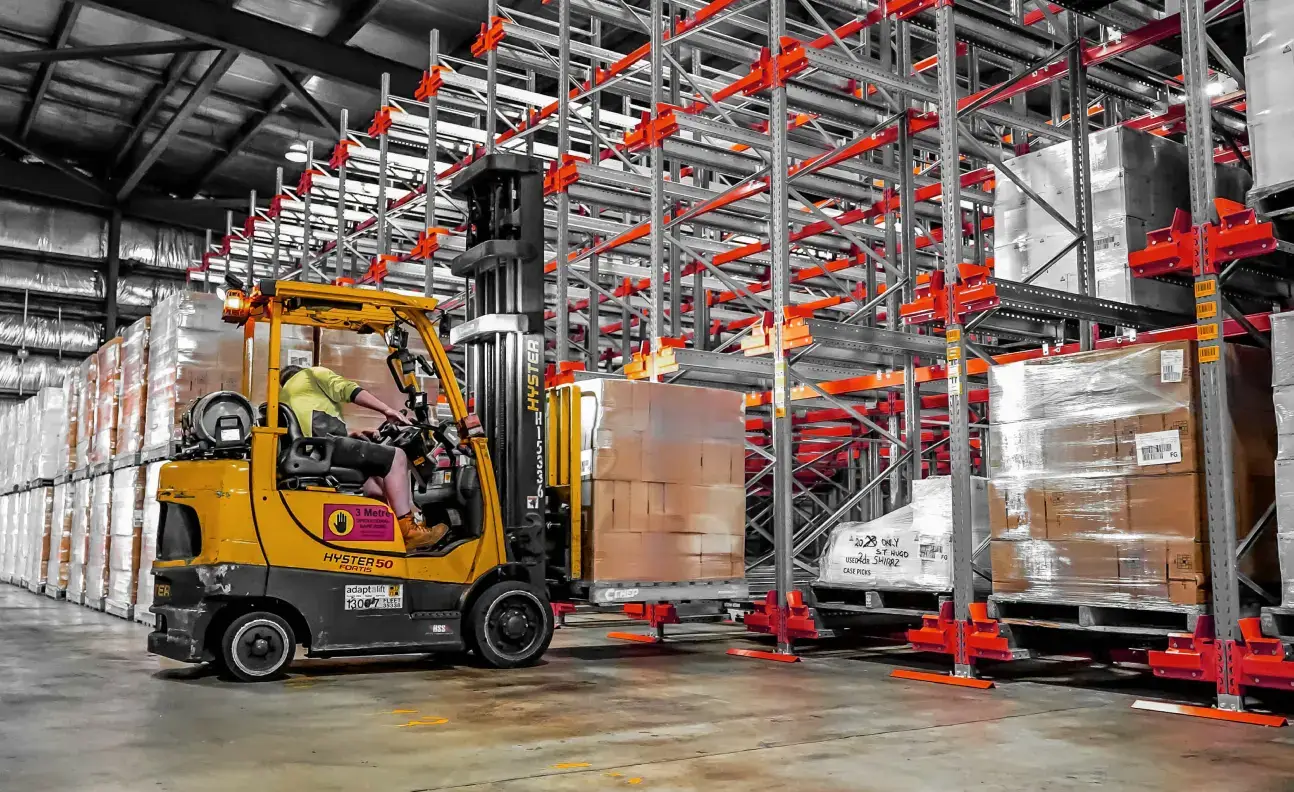
Companies reviewing their warehouse setup can research warehouse storage systems suited to growing operations to better understand how shelving, pallet racking and layout improvements can impact daily efficiency.
Most Warehouses Are Not Using Space As Well As They Could
One of the more common mistakes in warehousing is assuming that a lack of space automatically means the warehouse is full. In reality, many facilities are simply not set up efficiently anymore.
This often happens because operations change over time. Product ranges grow, stock levels shift, and workflows evolve, but the warehouse layout stays largely the same.
A warehouse that worked perfectly five years ago may now be creating unnecessary handling, congestion, or wasted space without anyone fully noticing it day to day.
Vertical storage is a good example. Some warehouses still rely heavily on floor stacking while large sections of overhead space remain underused. Others have shelving systems that were configured years ago and no longer suit the stock profile being stored.
Even aisle spacing can become inefficient over time. In some facilities, aisles are wider than they need to be. In others, stock starts spilling into access areas because storage zones were never adjusted as inventory grew.
Start by Looking at the Warehouse Layout Properly
When warehouses become difficult to manage, the first instinct is often to add more shelving or increase storage density immediately. Sometimes that helps. Sometimes it simply moves the problem elsewhere.
It is usually more useful to step back and look at how the warehouse is functioning overall.
For example, are fast-moving products positioned close to dispatch areas? Are forklifts travelling further than they need to? Are staff repeatedly working around overflow stock or temporary storage zones?
These small operational inefficiencies add up over time.
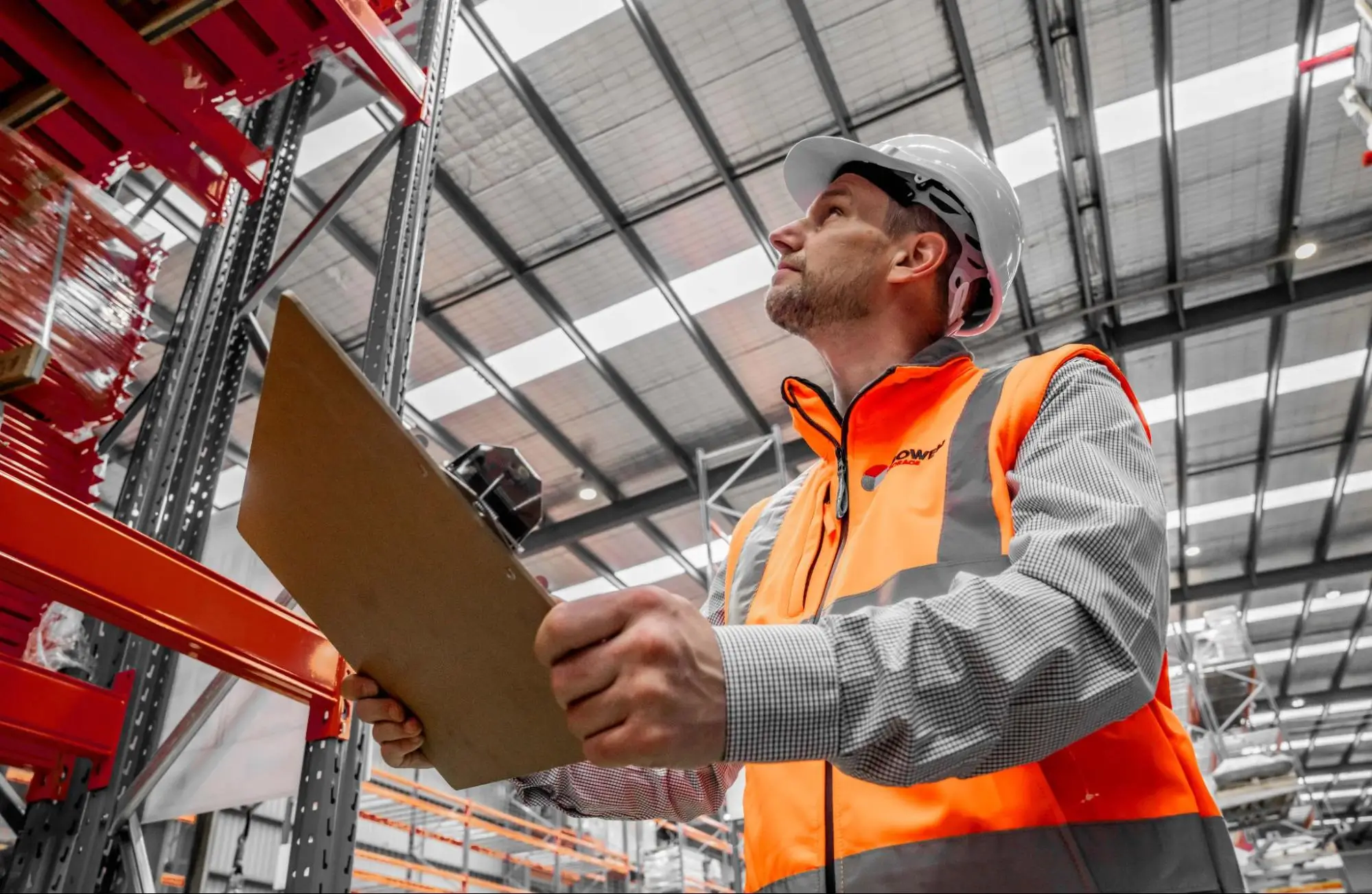
Warehouses generally work best when movement feels predictable and uncluttered. If staff are constantly having to go around obstacles, wait to access stock, or move inventory just to create space, the layout probably is not supporting the operation as well as it should anymore.
One of the advantages of reviewing warehouse layouts early is that relatively small changes can sometimes create immediate improvements. Repositioning stock, adjusting shelving heights, or redesigning traffic flow can open up more usable space than businesses initially expect.
“The owner of Elfamax Electrical became acutely aware that as his business grew, he was needing more warehouse space in which to store his products. He was reluctant to move warehouses, as it would add a considerable cost to his business, but didn’t know what the alternative could be. After speaking with a Bowen Consultant, who reviewed his stock holdings, warehouse layout, and capacity and recommended to install a Bowen VStore – a vertical retrieval and storage system. The VStore uses the wasted air space in our warehouse, storing stock efficiently, safely, and accurately.”
“Installing a Bowen VStore really holds us in good stead for the next 10 years, to continue to be able to grow the business and not have to worry about the size of our factory and storing our material.”
Vertical Space Often Gets Overlooked
A common question around warehouse storage is how businesses can create more space without relocating. In many cases, the answer sits directly overhead.
Many Warehouses Still Have Unused Vertical Capacity
A surprising number of warehouses still have unused vertical capacity. Shelving may stop well below roof height, or pallet racking may not be configured efficiently for current stock sizes.
Using vertical space more effectively can make a major difference, especially for businesses operating in expensive industrial areas where expansion is not always realistic.
Choosing the Right Storage System Matters
Pallet racking systems are often the starting point because they allow businesses to increase storage density while still maintaining accessibility. Adjustable systems also provide more flexibility as stock requirements change.
Longspan shelving can also work well in warehouses storing smaller or manually handled products. Because the shelving is modular, businesses can adjust configurations without redesigning the entire storage area.
For some facilities, mezzanine systems may also provide additional storage or operational space using existing ceiling height.
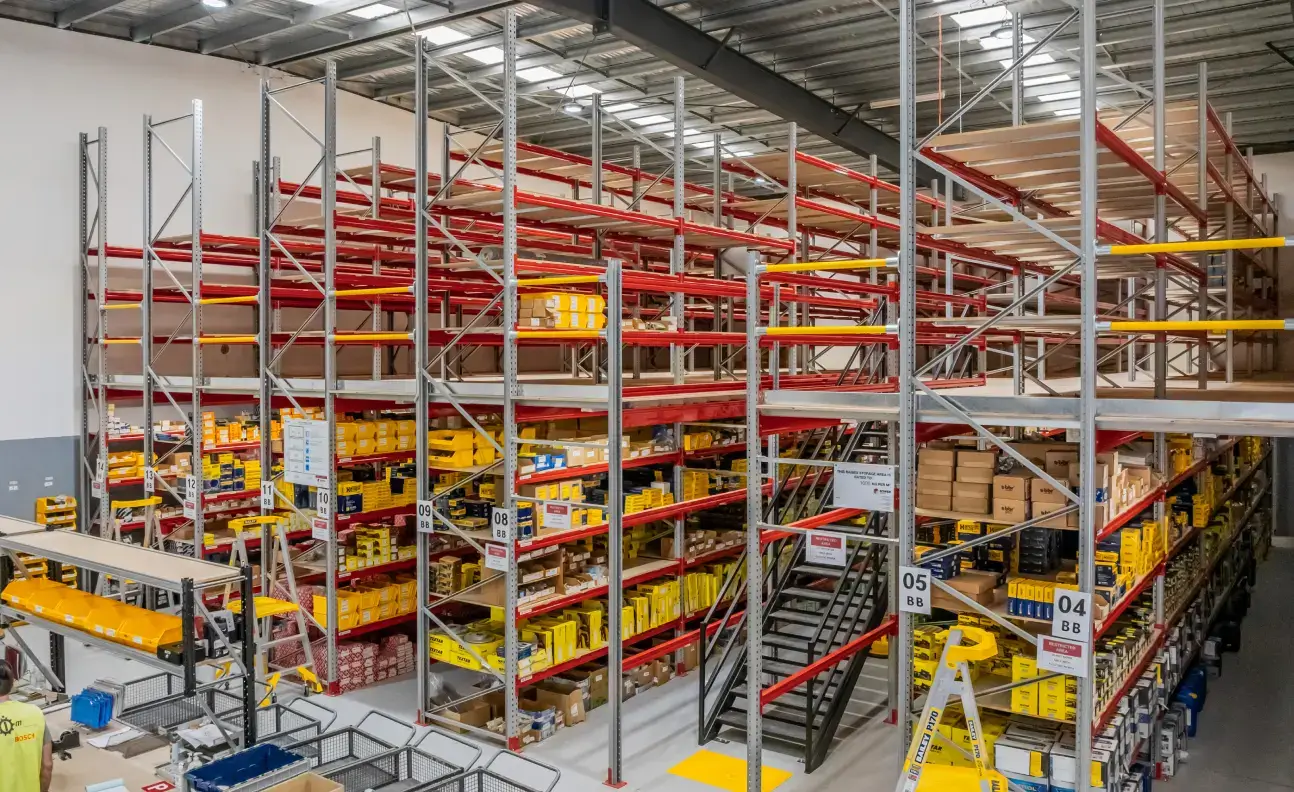
The important thing is making sure storage systems match the way the warehouse actually operates, not simply adding more shelving wherever space appears available.
“One of the most common conversations we have is with businesses convinced they need a bigger warehouse. More often than not, what they actually need is a better storage strategy. Better warehouse planning doesn't always mean more space — it means using what you already have more intelligently. We see it constantly: operations running out of room at ground level while metres of vertical space sit completely unused above them. A properly engineered storage solution changes that equation entirely. The ceiling is often the most underutilised asset in a warehouse. “
Better Inventory Organisation Usually Creates More Space
Some warehouses do not necessarily have a storage problem. They have an organisation problem.
Stock that is difficult to locate, duplicated inventory, leftover packaging, damaged pallets, and inconsistent storage zones all slowly reduce usable space over time.
Fast-moving products should generally be positioned where staff can access them quickly. Slower-moving inventory can usually be stored in less accessible areas without disrupting workflow.
Clear inventory zoning also improves warehouse efficiency. Grouping products logically results in faster picking times and less time spent by staff traversing unnecessary parts of the warehouse.
This becomes particularly important during busy periods when fulfilment pressure increases.
Warehouses that stay organised usually have consistent processes behind them. Regular stock reviews, clearer labelling, and designated overflow areas all help prevent the gradual clutter that tends to build over time.
Excess stock and unused materials are another common issue. Most warehouses have at least one section where damaged pallets, outdated inventory, or leftover packaging materials quietly accumulate.
It rarely feels urgent in the moment, but over time it reduces flexibility across the entire facility.
Storage Systems Need to Adapt Over Time
Warehouse operations rarely stay static for long.
Businesses introduce new product lines, stock levels fluctuate, and operational priorities shift. Storage systems that worked well several years ago may no longer support the way the warehouse operates today.
That is one reason many businesses now prefer modular storage systems rather than fixed layouts that are difficult to adjust later.
Flexible pallet racking and shelving systems make it easier to adjust storage areas as inventory levels change. This is especially helpful for businesses with seasonal inventory changes or those undergoing long-term growth.
At the same time, accessibility still matters. Increasing storage density should not create a warehouse that becomes harder or less safe to work in.
There is usually a balance between maximising capacity and maintaining practical workflow throughout the facility.
Businesses reviewing warehouse layouts should also remain aware of safe warehouse operation and storage compliance requirements.
Workflow Matters Just As Much As Storage Capacity
Warehouses sometimes focus heavily on how much stock they can fit into a space without considering how efficiently people can actually move through it.
A warehouse may technically hold more inventory after redesigning storage areas, but if picking slows down or forklifts struggle to access stock safely, the operational benefits quickly disappear.
Businesses making changes to warehouse layouts should also remain aware of broader responsibilities around preventing harm and injury at work.
Why Aisle Design Matters
Some warehouses operate more efficiently with narrower aisle configurations supported by specialised handling equipment. Others need wider access zones because of the type of stock being moved through the facility.
The right setup depends on the operation itself.
Operational Bottlenecks Usually Appear Early
Businesses that regularly review workflow data often identify issues earlier. Picking delays, congestion during dispatch periods, or repeated forklift bottlenecks usually indicate that storage layouts are no longer functioning efficiently.
Operational data can also help businesses understand seasonal inventory trends and adjust layouts more proactively rather than reacting once space becomes limited.
Businesses planning long-term warehouse improvements can also review warehouse planning guidance for Australian businesses when assessing operational efficiency strategies.
Creating a Warehouse That Works More Efficiently
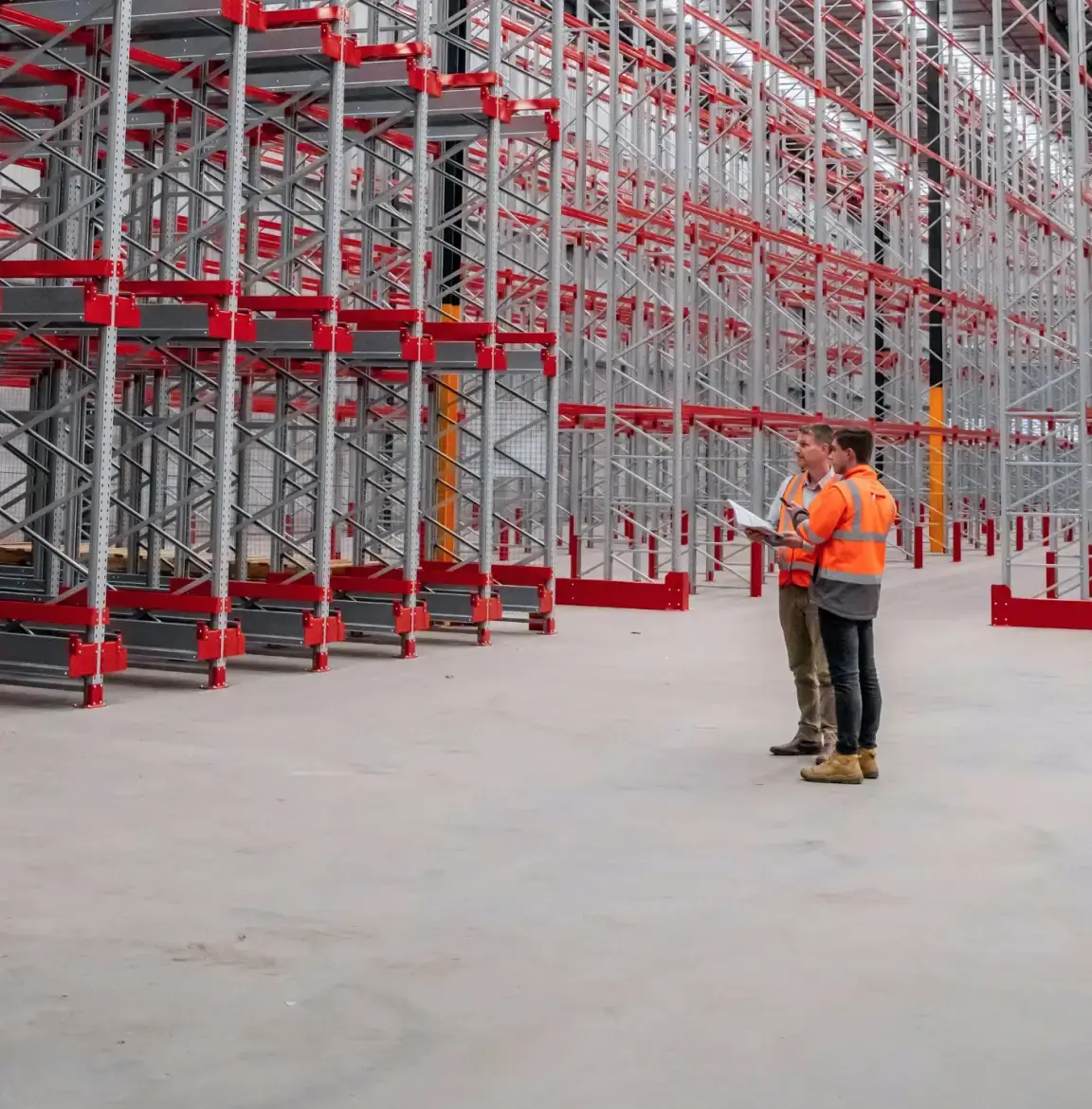
Learning how to maximise storage space is not simply about fitting more stock into a warehouse. The goal is creating a storage setup that supports smoother operations, safer movement, and better long-term flexibility as the business grows.
In many cases, businesses already have more usable space than they realise. The challenge is usually identifying where layouts, shelving systems, or inventory processes are no longer working efficiently.
If stock levels are becoming harder to manage in your warehouse, Bowen Storage can help create a more practical and scalable solution. Contact Bowen Storage to discuss storage solutions that suit your operations and explore ways to improve workflow, increase usable capacity, and support future growth.