


Most businesses do not think much about warehouse optimisation until daily operations start becoming harder to manage.
Orders increase. More stock moves through the warehouse each week. Picking takes longer than expected. Teams begin working around the layout instead of with it. Even simple tasks can start feeling slower once operational pressure increases.
For businesses researching what is warehouse optimisation, it generally means improving how efficiently the warehouse performs as part of the wider business operation. That can involve storage systems, workflow planning, inventory movement, dispatch efficiency, accessibility, and the way warehouse teams interact with the space every day.
In many cases optimisation is not always about making big structural changes. It is in many cases about finding the small operational issues that eat away at efficiency over time.
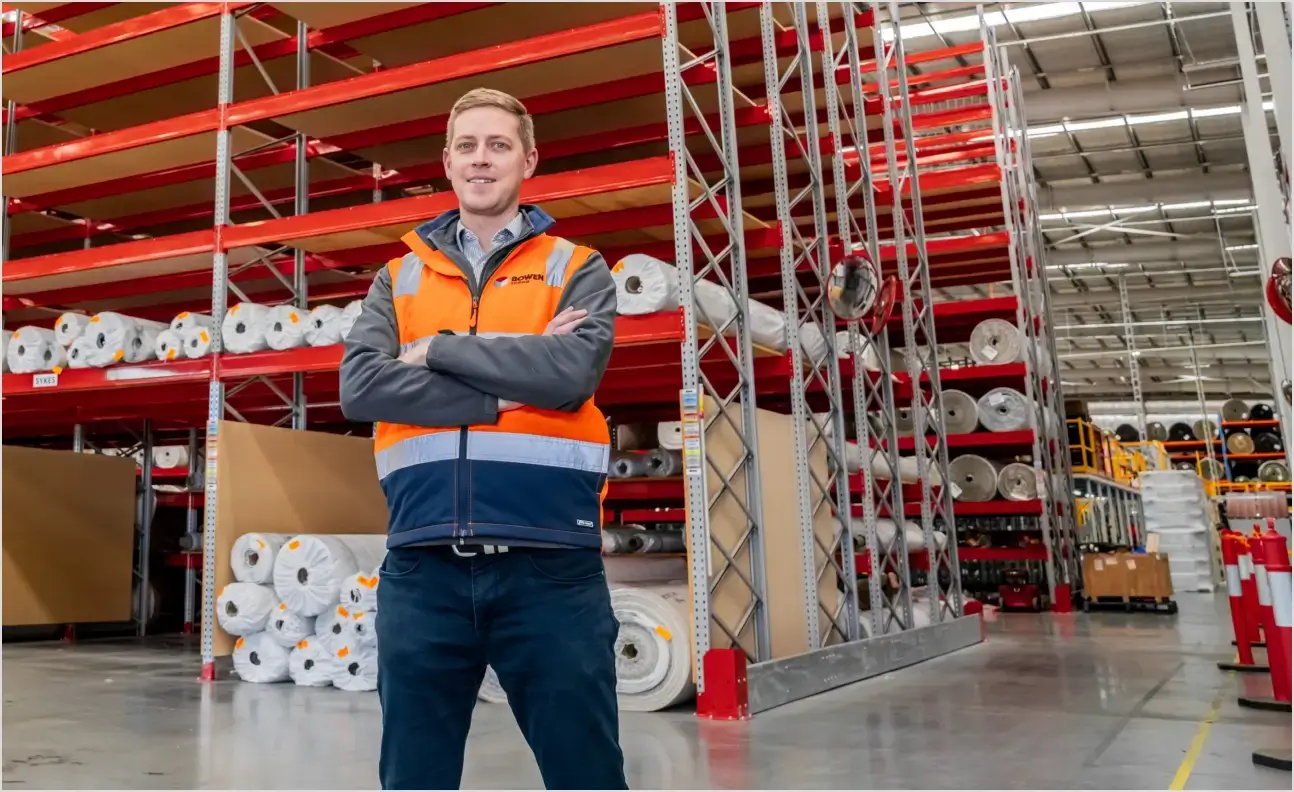
Operational Pressure Usually Reveals Weaknesses First
Many warehouses operate reasonably well until growth starts accelerating.
A facility that comfortably handled smaller order volumes may suddenly struggle once dispatch frequency increases or inventory becomes more complex to manage. This is usually when businesses begin noticing bottlenecks they previously worked around without thinking too much about them.
It could be something simple, like slower picking during busy periods. Sometimes dispatch teams lose time because products are stored too far from packing areas. In other cases, forklift movement becomes less efficient because the warehouse layout evolved gradually without much long-term planning behind it.
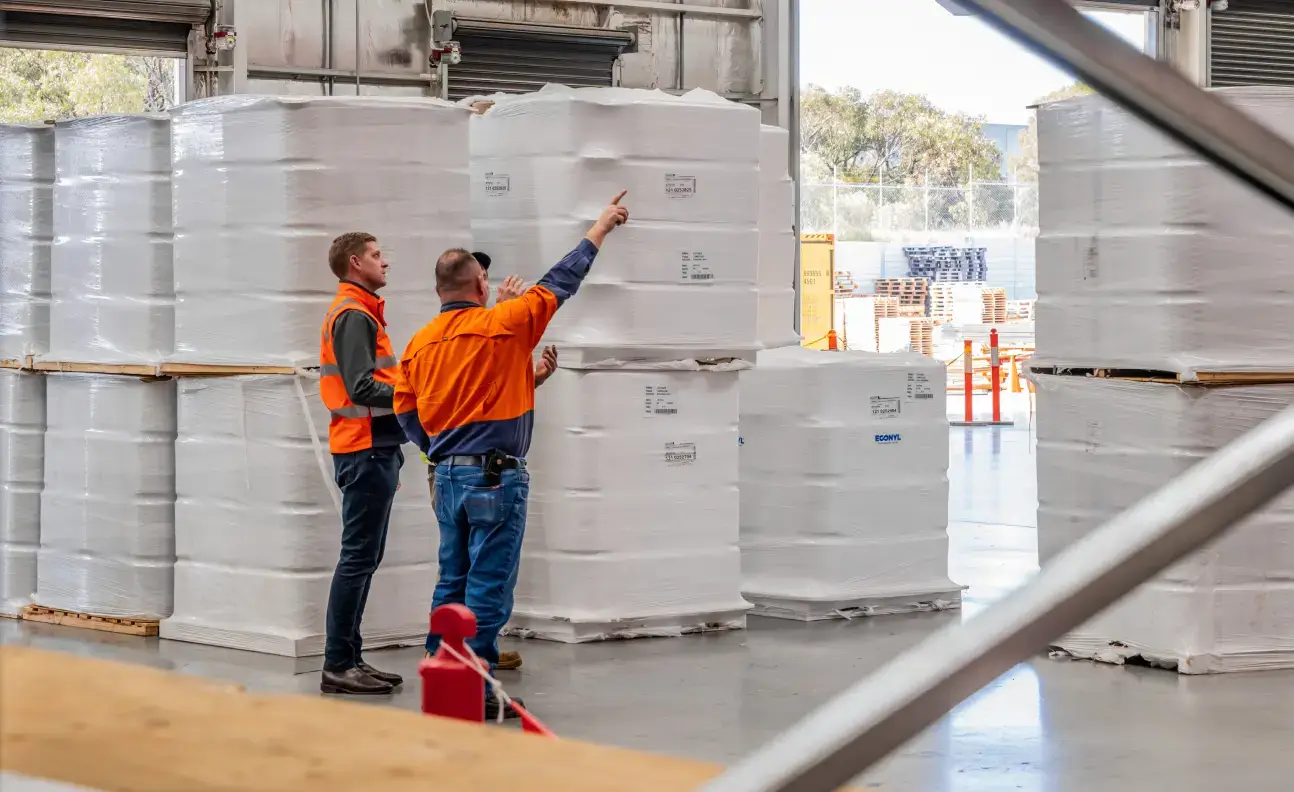
None of these issues seem dramatic individually. Together, though, they slowly affect throughput across the warehouse.
Efficiency Is Not Just About Speed
One mistake that businesses sometimes make is assuming warehouse optimisation is simply about working faster.
In reality, consistency is just as important.
A warehouse that facilitates predictable movement, organised stock placement and smoother dispatch processes will generally perform better in the long term than a warehouse constantly relying on reactive adjustments to manage operational pressure.
As Operations Grow, Layout Becomes More Important
Warehouse layout has a direct impact on how efficiently stock moves through the facility.
In some warehouses, picking teams spend more time moving between storage zones than they should. In others, forklifts regularly lose time waiting on access because traffic flow no longer suits the way the operation functions today.
These issues usually develop gradually as inventory volumes increase and workflows become more demanding.
Storage Placement Affects Daily Workflow
Fast-moving inventory generally needs easier access than slower-moving products. Dispatch areas also need enough room to manage higher throughput during busy periods without creating congestion nearby.
When products are not positioned logically, warehouse teams often spend more time moving through the facility than necessary. Over time, those extra movements start affecting productivity more noticeably.
Warehouse optimisation is often less about fitting more stock into the building and more about improving how products move through the operation overall.
Warehouses Need More Structure As They Get Bigger
As businesses grow, warehouses generally require more clarity around the organisation of inventory positioning, picking routes, dispatch access, replenishment areas and traffic flow throughout the facility.
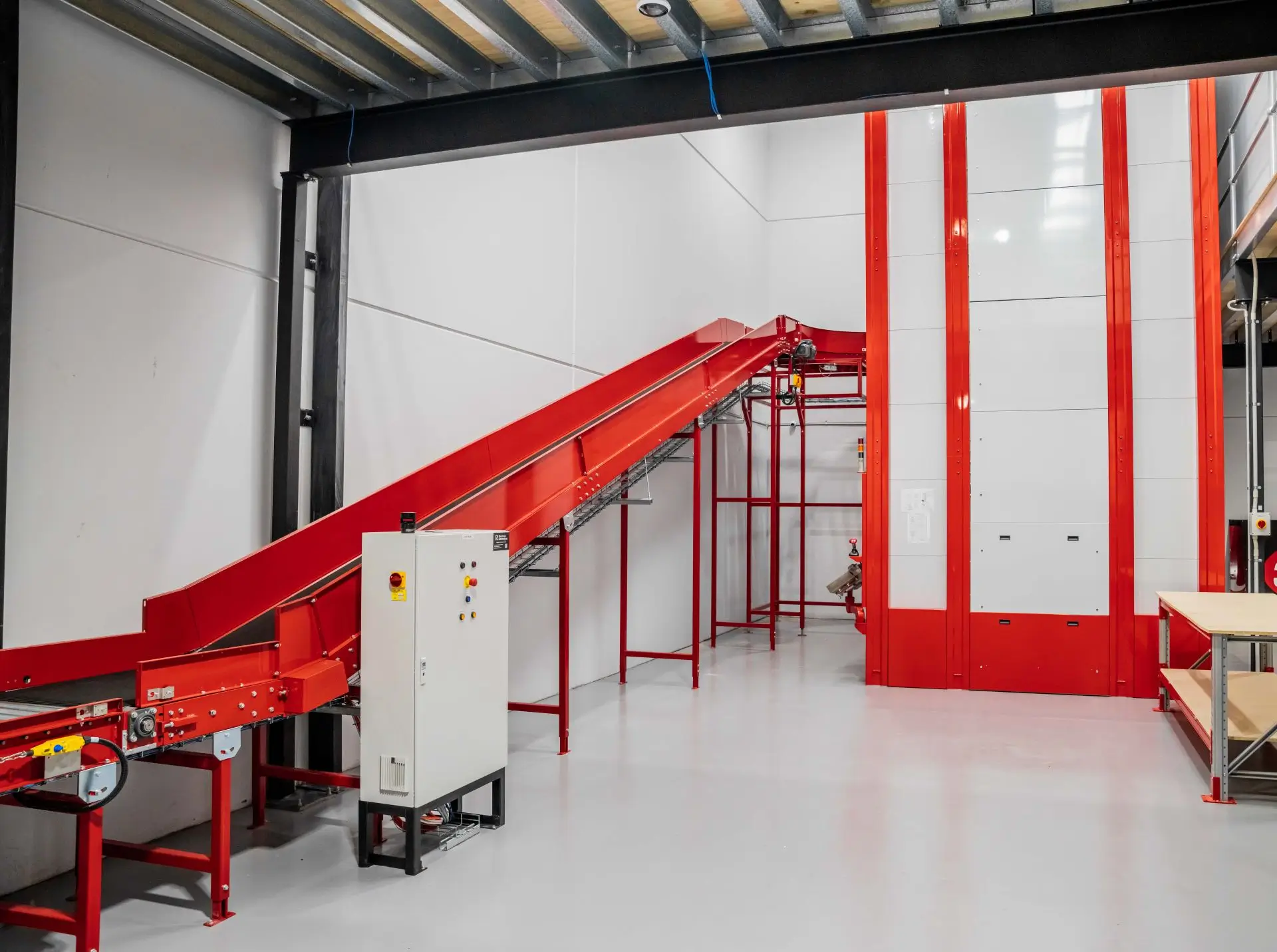
“Our partners at Scorptec found themselves with a fragmented storage system that was inefficient, ran across multiple locations and was costly for their picking and despatch operations. What they needed was a seamless assembly and despatch area, integrated with an accessible storage system. Introducing an 8metre tall Bowen VStore – vertical storage and retrieval system that contained 65 storage levels and installing a new Mezzanine floor, it created efficiency between storage and the upper assembly area, significantly reducing manual handling hours and costs.”
Storage Systems Should Support Changing Operations
Storage systems that suited the warehouse several years ago may not work as effectively once inventory demands change.
This is particularly common in businesses introducing new product ranges or managing fluctuating stock levels throughout the year.
Flexible Storage Systems Are Easier to Work With
Warehouses generally operate more smoothly when storage systems can adapt alongside operational changes.
Adjustable pallet racking, modular shelving, and configurable storage systems make it easier to reorganise stock areas without completely redesigning the facility every time operational requirements shift.
That flexibility becomes increasingly important as businesses grow.
Warehouse Capacity Is Not Only About Floor Space
Some businesses assume warehouse optimisation means finding more floor space. In practice, many warehouses already have unused storage potential.
Vertical storage capacity is one example. Shelving systems may stop well below available roof height, or overhead space may not be supporting operations as effectively as it could.
Pallet racking, mezzanine systems, and longspan shelving can all help improve storage flexibility while still maintaining accessibility throughout the warehouse.
“ Every business we work with is at a different stage of growth. Our job is to make sure the storage systems never become the thing holding them back. We look at what the future may hold for a company and build systems that work for the current scenario but can also adapt and scale to meet future demands..”
Better Visibility Helps Warehouses Operate More Smoothly
Warehouse optimisation also involves understanding what is happening operationally across the facility.
Many growing businesses now rely on inventory visibility tools and warehouse management systems to better track stock movement and identify operational inefficiencies earlier.
Inventory Visibility Supports Better Decision-Making
Clearer inventory tracking can help businesses:
- reduce stock location errors
- improve replenishment timing
- monitor dispatch performance
- identify recurring bottlenecks
- improve stock accuracy
This becomes increasingly valuable once warehouse activity starts becoming more complex.
Technology Still Needs Practical Layouts Behind It
Even strong warehouse software cannot completely compensate for inefficient layouts or poorly organised stock placement.
Technology tends to work best when the warehouse itself already supports logical movement and operational flow.
If workflows are already difficult, software often just highlights the existing inefficiencies more clearly.
More Storage Should Not Reduce Accessibility
One issue businesses sometimes encounter during warehouse upgrades is focusing too heavily on storage density while overlooking practical movement throughout the facility.
A warehouse may technically hold more stock after redesigning storage areas, but if access becomes harder, operational performance can suffer quickly.
Accessibility Becomes More Important As Warehouses Get Busier
As warehouse activity increases, movement throughout the facility usually becomes more demanding as well. Forklifts need clearer access, dispatch areas require better coordination, and warehouse teams need enough space to work without constantly adjusting around temporary storage or blocked pathways.
Layouts that feel overcrowded often create operational slowdowns long before businesses realise how much efficiency is being lost day to day.
Improving warehouse efficiency should not come at the expense of workplace safety. More information about workplace health and safety in warehouse environments can help businesses review storage and movement risks more carefully.
Optimisation Usually Starts Before Expansion Becomes Necessary
Many businesses initially assume warehouse pressure automatically means they need a larger facility.
In reality, some warehouses simply need better operational structure before additional space becomes necessary.
Warehouse optimisation often involves improving:
- workflow visibility
- inventory organisation
- storage flexibility
- dispatch movement
- accessibility throughout the warehouse
Even relatively small operational improvements can sometimes create noticeable gains in efficiency and throughput.
As warehouse operations become more complex, businesses also need to think about how storage, freight movement, and logistics planning connect across the wider supply chain. More information about freight and supply chain operations across Australia can help support longer-term operational planning.
Warehouse Optimisation Is Really About Preparing for Growth
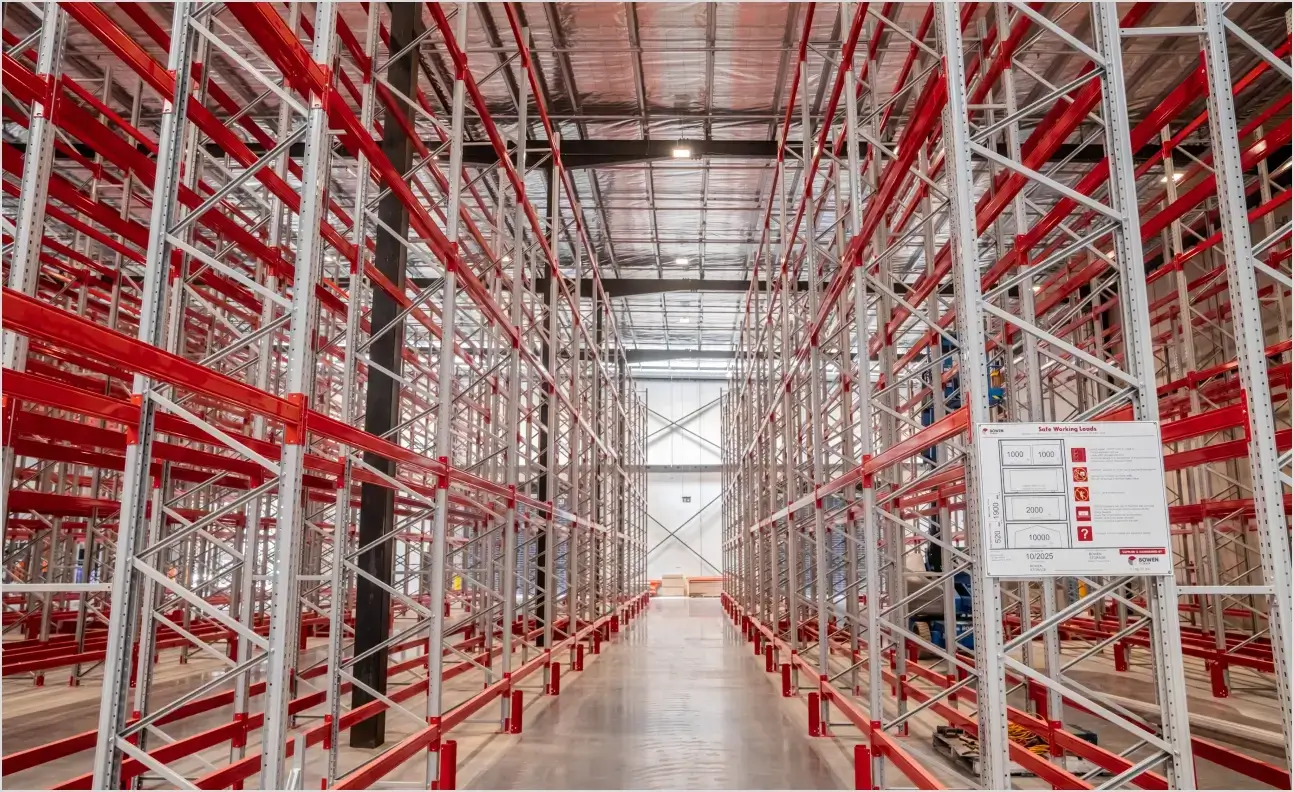
Warehouses rarely stay the same for long. As operations expand, the systems supporting the warehouse usually need to evolve as well.
Storage layouts, stock movement, accessibility, and workflow all play a role in how efficiently the operation performs once demand increases. When these areas are not reviewed regularly, small inefficiencies can gradually start affecting productivity across the warehouse.
In many cases, warehouse optimisation is less about major operational changes and more about creating systems that continue working well as the business grows.
Get in touch with Bowen Storage to discuss practical storage systems designed to support smoother operations, better organisation, and long-term operational flexibility as your warehouse requirements continue evolving.